Category: Commercial Kitchen
Commercial Hood Cleaning Cost: What to Expect for Your Kitchen
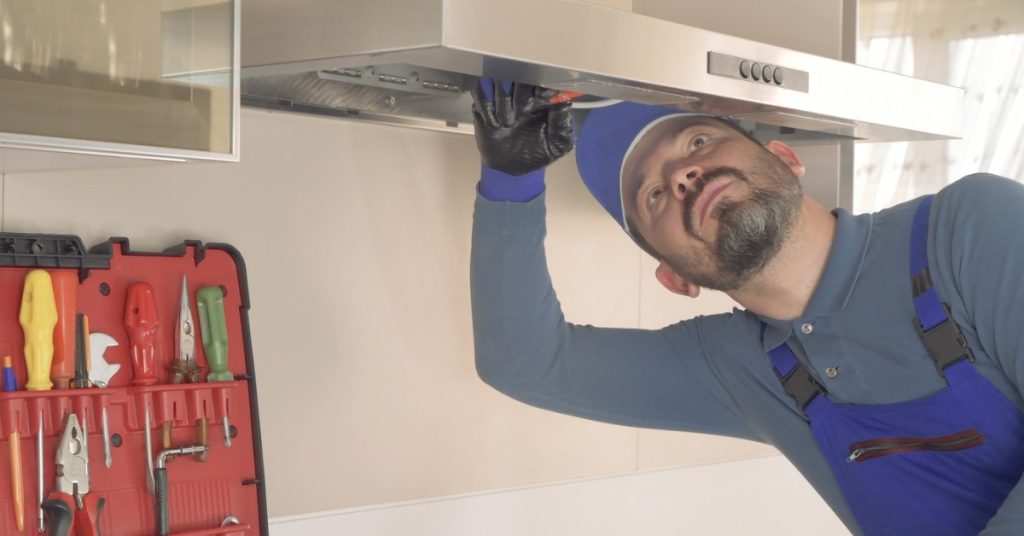
Keeping your kitchen safe and compliant starts with proper ventilation maintenance—but how much should you expect to pay? From commercial range hood cleaning to full vent hood cleaning services, understanding cost factors can help you plan ahead and avoid unexpected expenses. Here’s what you need to know, straight from the experts at NAKS, Inc. What…

Welded vs. No-Weld Grease Ductwork: What Installers Prefer and Why
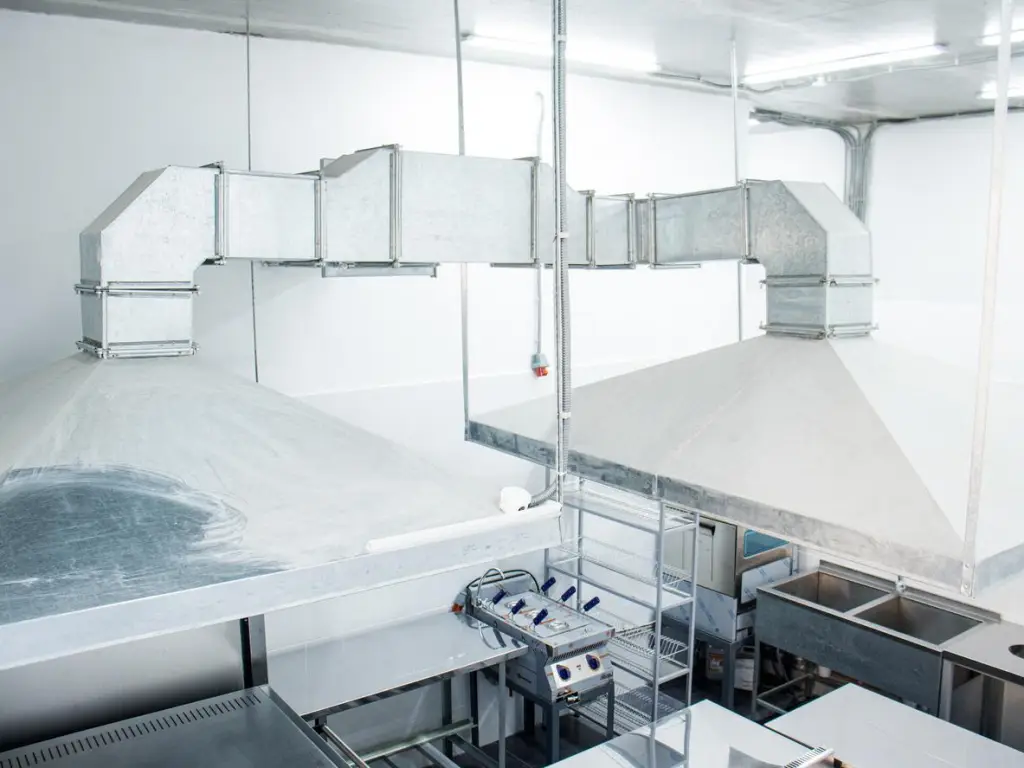
Choosing the right commercial kitchen hood ductwork is critical for safety, efficiency, and installation success. One of the most important decisions installers face is whether to use welded grease ductwork or modern no-weld kitchen ventilation ductwork. Both options meet code requirements when properly installed, but they differ significantly in installation time, labor cost, flexibility, and…


Food Truck Ventilation Hood Installation Guide
Food Truck Ventilation Hood Installation Guide: How to Install a Safe and Compliant Hood System Installing a proper food truck ventilation hood is one of the most important steps when building or upgrading a mobile kitchen. A well-designed food truck hood system removes heat, smoke, and grease-laden vapors, protecting staff, customers, and equipment. Without proper…


Pizza Oven Hood Packages:
Complete Pizza Oven Exhaust Hood and Ventilation Solutions Creating the perfect pizza requires more than quality ingredients; it also requires proper ventilation. A properly designed pizza oven hood removes heat, grease-laden vapors, and smoke generated during cooking, ensuring a safe, efficient commercial kitchen environment. Whether you operate a high-volume pizzeria or install commercial kitchen ventilation…
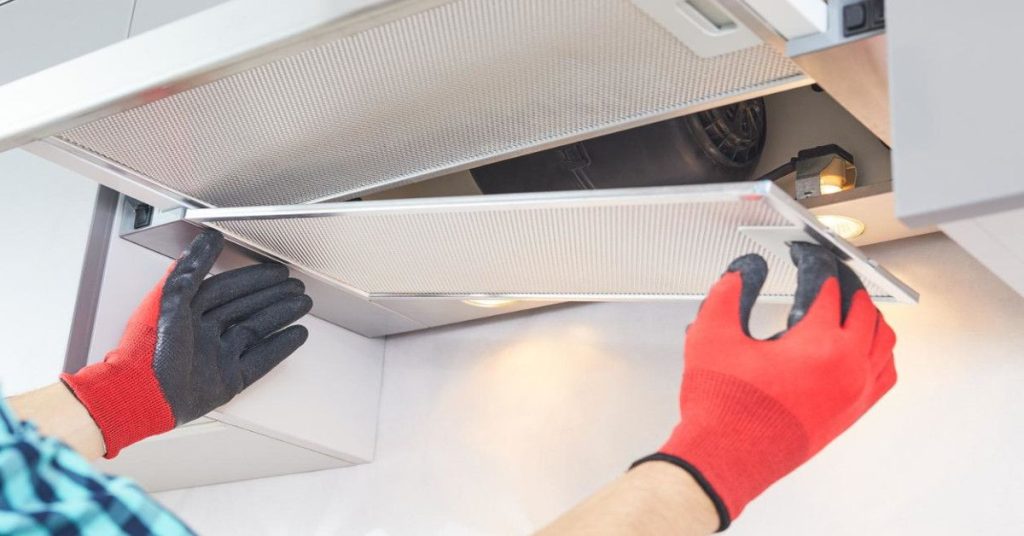
Exhaust Hood Not Working? Here’s What To Do Next
When a commercial kitchen exhaust system stops working, the impact is immediate. Heat builds up, smoke lingers, and safety risks increase fast. Whether you’re dealing with a restaurant exhaust hood not working during service or discovering the issue during prep, knowing where to start can save time and prevent unnecessary downtime. This guide from NAKS,…
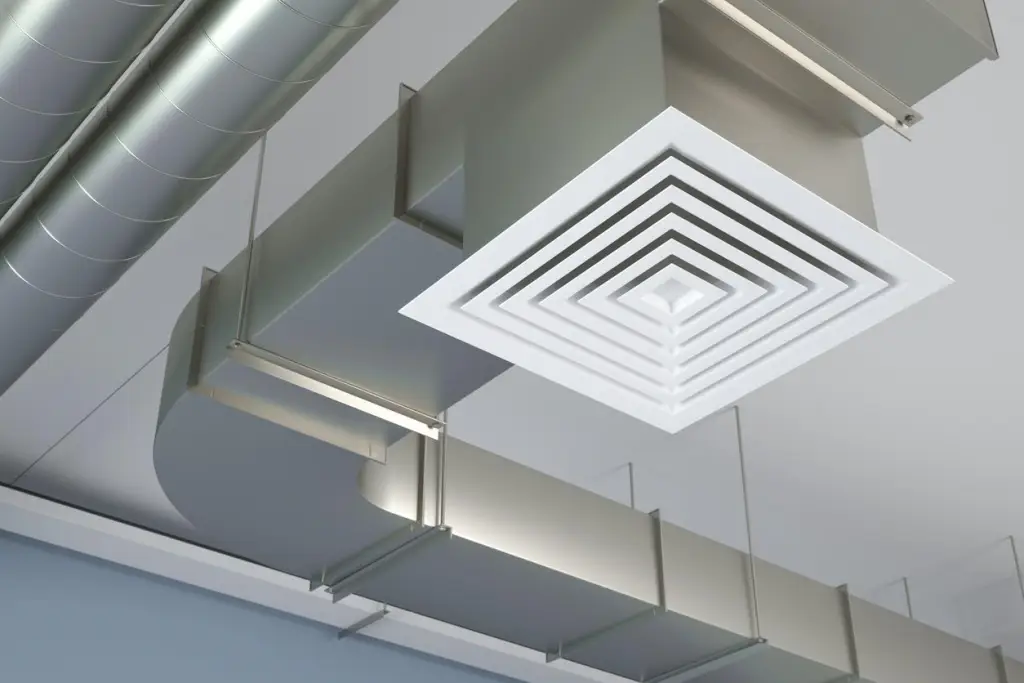

Low Clearance Ductwork Solutions for Commercial Kitchens
When space is limited, ventilation design becomes more complex — and more critical. Commercial kitchens frequently face clearance challenges due to tight building envelopes, structural constraints, or proximity to combustible materials. Selecting the right ductwork solution ensures safety, performance, and code compliance without sacrificing layout flexibility. In this guide, NAKS, Inc. breaks down low-clearance ductwork…


UL, ETL & NFPA Certifications for Installers
In commercial kitchen ventilation, certifications aren’t just badges — they’re proof that the equipment you specify, sell, and install is safe, compliant, and ready to pass inspections in the toughest jurisdictions. For dealers, wholesalers, and installers, working with a manufacturer that holds the right approvals reduces risk, speeds up approvals, and prevents costly rework on-site.…
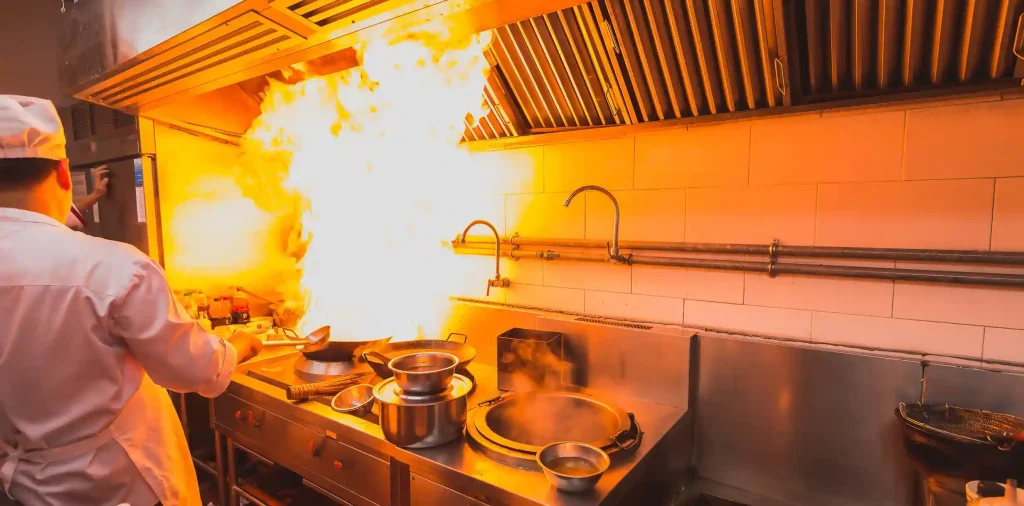

Kitchen Ventilation for Fire Safety & Performance
Commercial kitchen ventilation doesn’t just keep the air clean — it sets the foundation for fire safety. For dealers and installers, the hood system you specify directly affects grease load, fire risk, inspection performance, and long-term client satisfaction. This guide by the experts at NAKS, Inc. breaks down how proper ventilation supports safer kitchens, fewer…

A Dealer Guide to Selecting the Right Commercial Hood System
Dealers and installers are often the first line of defense when it comes to helping commercial kitchens choose the right ventilation and fire suppression setup. A mismatched hood, an undersized fan, or a poorly integrated fire suppression system doesn’t just create performance problems; it slows down projects, triggers compliance pushback, and creates expensive callbacks. This…


NAKS and ARK MFG Fabrication Strategic Transaction
MIAMI and ELYRIA, Ohio., Feb. 5, 2026 /PRNewswire/ — Ark MFG and North American Kitchen Solutions (NAKS) today announced a strategic transaction in which Ark MFG has acquired NAKS’ stainless steel custom fabrication division, allowing NAKS to further concentrate on growing its core ventilation platform, including its most recent plant acquisition in Venus, TX in…