When a commercial kitchen exhaust system stops working, the impact is immediate. Heat builds up, smoke lingers, and safety risks increase fast. Whether you’re dealing with a restaurant exhaust hood not working during service or discovering the issue during prep, knowing where to start can save time and prevent unnecessary downtime.
This guide from NAKS, Inc. outlines practical troubleshooting steps to identify common issues before escalating to a licensed professional, helping you restore airflow safely and efficiently.
Step 1: Check the On/Off Switch
Start with the simplest explanation. Exhaust hood switches can be accidentally turned off during cleaning, maintenance, or daily operations.
What to look for:
- Wall-mounted hood control switch
- Any emergency shutoff switches nearby
Make sure the switch is fully engaged. If the hood still doesn’t start, move on to the next step.
Step 2: Inspect the Circuit Breaker
If your kitchen exhaust hood is not working, an electrical interruption is a common cause.
Action items:
- Locate the breaker panel serving the hood system
- Look for any tripped breakers
- Reset only if it’s safe to do so
If breakers trip repeatedly, stop troubleshooting and contact a professional. Recurring electrical issues require expert diagnosis.
Step 3: Examine the Exhaust Fan and Belts
Many exhaust system components are located on the roof, not inside the kitchen.
Check for:
- Loose or broken fan belts
- Misaligned belts preventing startup
- Obvious fan obstructions
Fan belts transfer power from the motor to the fan. If they’re damaged or improperly seated, airflow will stop even if power is present.
Step 4: Look for a Roof Service Switch
Some buildings include a roof-mounted service disconnect designed to shut off the exhaust system during maintenance.
If this switch is turned off, the hood will not operate, even if everything else appears normal.
Confirm:
- The roof service switch is in the ON position
- No lockout tags or service notices are present
Step 5: Inspect and Clean Grease Filters
Dirty or clogged filters are a frequent cause of reduced or failed performance.
Commercial kitchen grease filters are designed to capture grease-laden vapors before they enter the ductwork. When filters become overloaded:
- Airflow drops
- Fans strain or shut down
- Fire risk increases
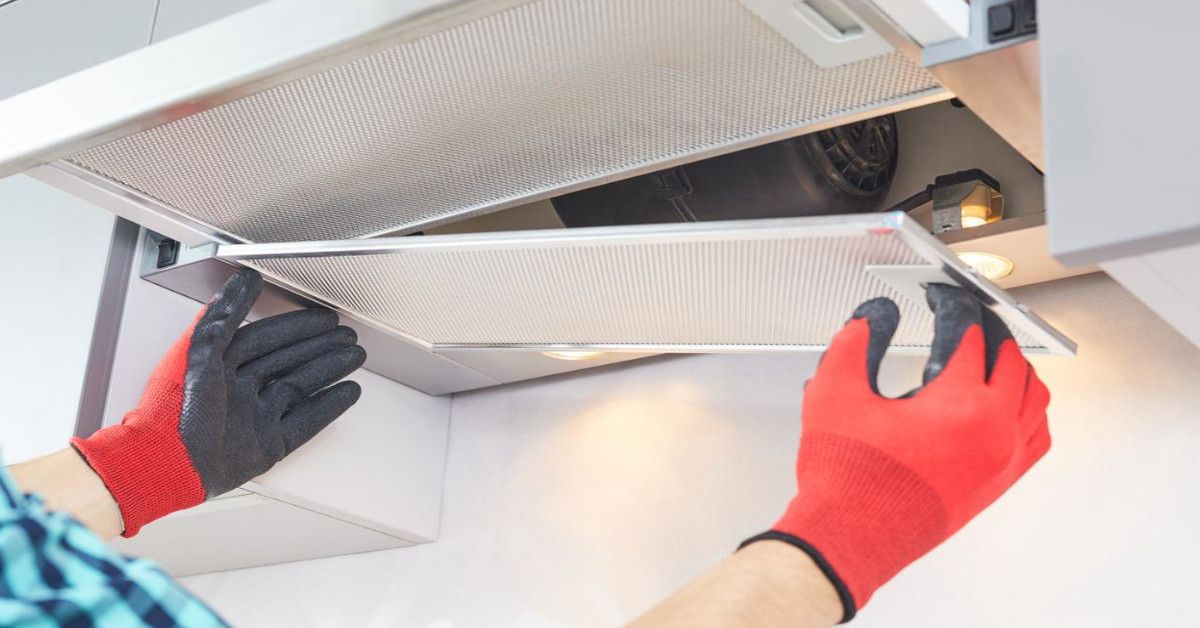
Remove filters and inspect them for heavy buildup. Clean or replace them as needed to restore proper airflow.
Signs the Problem Is Beyond Basic Troubleshooting
If the hood still isn’t working after these checks, the issue may involve:
- Motor failure
- Electrical faults
- Fan control problems
- Internal exhaust hood components
At this point, continued operation or DIY repairs can create safety risks.
When to Call a Professional
Licensed exhaust hood service providers have the tools and training to diagnose complex system failures safely.
Call a professional if:
- The hood won’t restart after basic checks
- Electrical components appear damaged
- The system shuts down repeatedly
- Airflow remains poor after filter cleaning
Proper service ensures compliance, safety, and long-term reliability.
”
Partner with NAKS, Inc. for Reliable Exhaust Systems
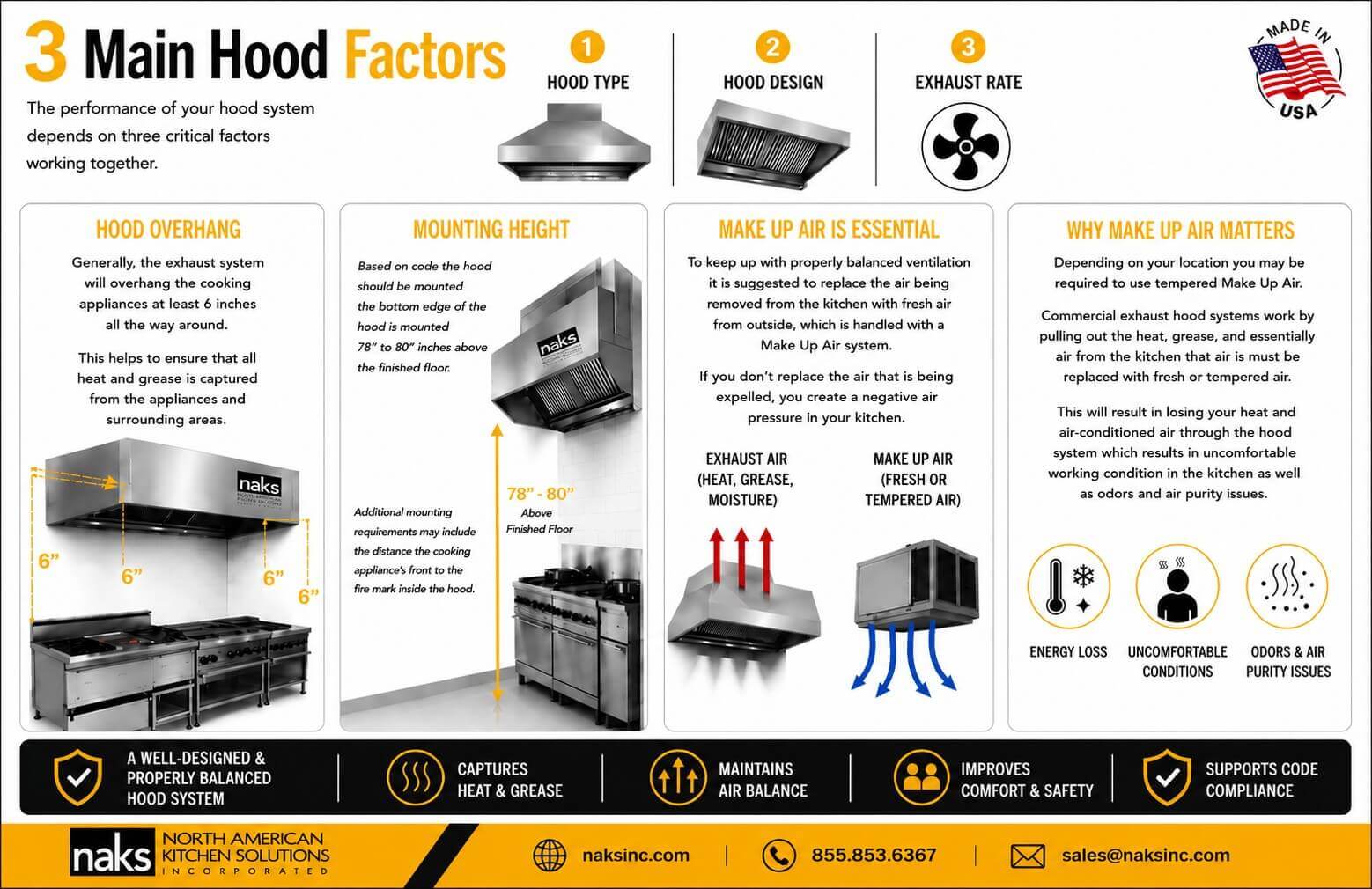
NAKS, Inc. designs and supplies high-quality exhaust hood systems and components built for durability and performance. From properly engineered airflow to code-compliant construction, our solutions are designed to support demanding commercial kitchen environments.
For questions about exhaust hood systems, replacement components, or next steps, contact the experts at NAKS, Inc. We’re here to help keep commercial kitchens safe, efficient, and inspection-ready.
Frequently Asked Questions When Troubleshooting Commercial Kitchen Exhaust Issues
Why is my kitchen exhaust hood not working?
Common causes include power interruptions, tripped breakers, clogged grease filters, or fan belt issues.
Can dirty grease filters stop an exhaust hood from working?
Yes. Severely clogged filters restrict airflow and can cause system shutdowns or performance failure.
Where is the exhaust fan located in a commercial kitchen?
Most exhaust fans are roof-mounted, not inside the hood itself.
Should I reset a breaker if my exhaust hood stops working?
You can check once, but repeated tripping indicates a larger electrical issue requiring professional service.
When should I call a professional for exhaust hood repair?
If basic troubleshooting doesn’t restore operation, or if electrical or mechanical issues are suspected, contact a licensed provider immediately.
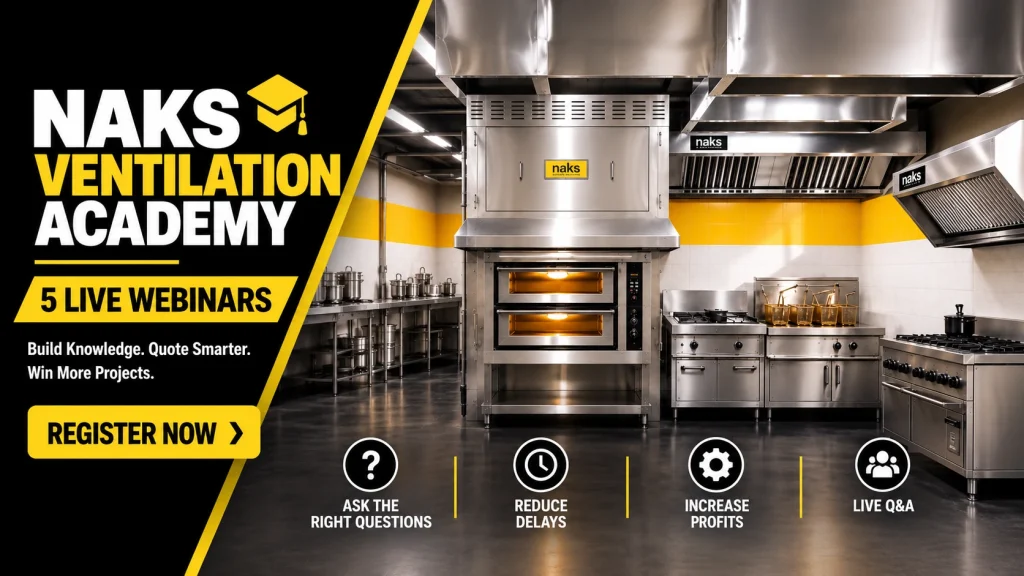
Quote Smarter & Win More Projects:
Join the free NAKS Ventilation Academy, a five-part live webinar series created for foodservice dealers and commercial kitchen professionals. Learn how to ask the right questions, specify and quote ventilation systems more accurately, avoid costly project delays, and identify solutions that can improve profitability. Each session features practical guidance from NAKS ventilation experts along with a live Q&A. The first session begins October 1st at 1 p.m. EDT.
Register now to build your knowledge, quote smarter, and win more projects.