What “UL Certified” Really Means—and How ETL Certification Compares
When purchasing commercial kitchen equipment, safety certifications aren’t just a “nice to have”—they’re often required for inspections, insurance approval, and code compliance. Two of the most common marks you’ll see are UL certification and ETL certification. While they’re sometimes treated as interchangeable, many operators, contractors, and specifiers still ask the same question: What’s the difference between UL and ETL certification—and does it matter?
The short answer is that both certifications indicate a product has been independently tested for safety, but understanding how they work can help you make more confident, inspection-ready decisions. Below, we break down what UL certification means, what ETL certification is, how they compare, and why NAKS, Inc. treats both as trusted standards in commercial kitchen ventilation.
What Is UL Certification?
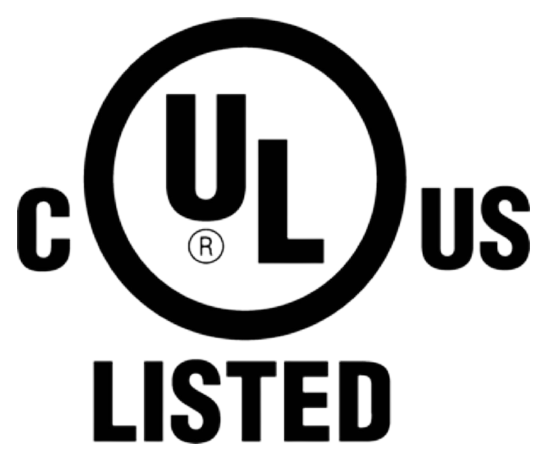
UL certification is issued by UL Solutions (formerly Underwriters Laboratories), one of the most widely recognized product safety organizations in the world. A UL-certified product has been tested and evaluated to meet specific safety and performance standards. UL certification typically evaluates:
- Electrical safety
- Fire resistance
- Mechanical performance
- Construction and materials
- Long-term durability in operating conditions
Once a product meets all applicable standards, it earns the UL Listed or UL Classified mark, signaling that it complies with nationally recognized safety requirements.
For commercial kitchens—where heat, grease, electricity, and fire risk intersect—UL certification provides an added layer of assurance that equipment is designed for demanding environments.
Why UL Certification Matters in Commercial Kitchens
For restaurant owners, designers, and inspectors, UL certification often plays a key role in approval and compliance. UL-certified equipment helps with:
- Passing inspections: Many local authorities and fire marshals expect UL-listed equipment during plan review and final inspection.
- Reducing liability: UL testing confirms products meet established safety benchmarks, lowering risk exposure.
- Protecting staff and property: Properly certified ventilation equipment reduces fire hazards and system failures.
At NAKS, Inc., UL certification is viewed as a commitment to safety, quality, and long-term reliability—especially for critical systems like exhaust hoods, fans, and makeup air components.
What Is ETL Certification?
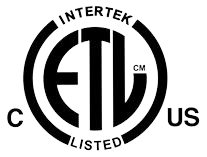
ETL certification is provided by Intertek, another globally recognized testing and certification organization. ETL stands for Electrical Testing Laboratories, and the ETL mark indicates that a product has been independently tested to the same nationally recognized safety standards as UL.
In other words, ETL certification is not a “lesser” certification—it simply comes from a different OSHA-recognized testing laboratory.
ETL-certified products are evaluated for:
- Electrical and fire safety
- Mechanical integrity
- Compliance with applicable ANSI and UL standards
Like UL, Intertek is recognized by OSHA as a Nationally Recognized Testing Laboratory (NRTL).
ETL Certification vs UL Certification: What’s the Difference?
From a safety and compliance standpoint, there is no difference in the standards themselves. Both UL and ETL test products against the same requirements.
The key difference is:
- UL certification = tested and certified by UL Solutions
- ETL certification = tested and certified by Intertek
That said, local jurisdictions may have preferences, and some inspectors are simply more familiar with UL marks due to their long history in the U.S. market. This is why it’s always important to confirm certification requirements during the design and permitting phase.
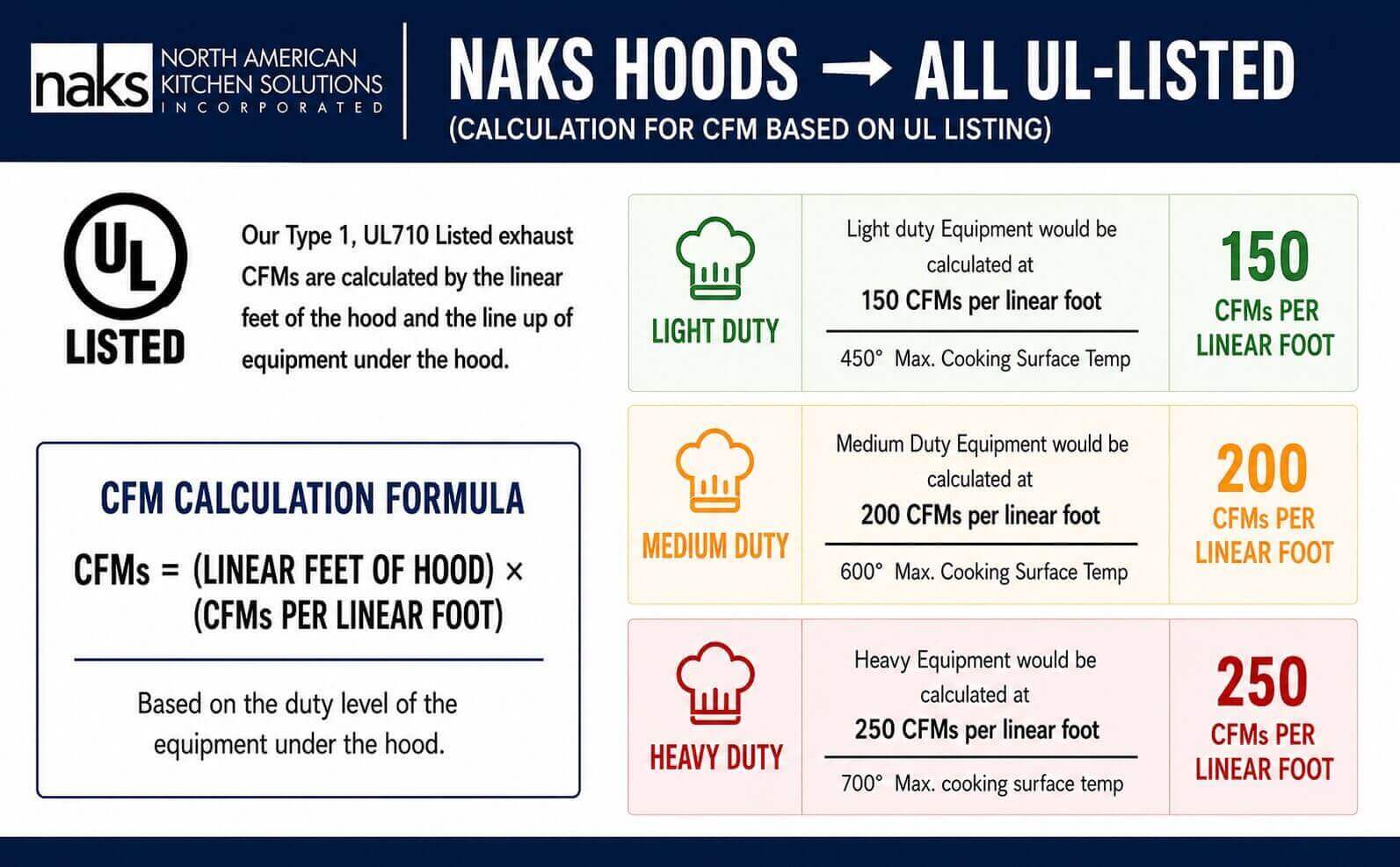
UL and ETL Certifications at NAKS, Inc.
NAKS, Inc. understands that commercial kitchens operate under strict codes and timelines. That’s why we offer both UL- and ETL-certified ventilation products, giving customers flexibility without sacrificing compliance or safety. Our certified solutions help:
- Streamline plan review and inspections
- Reduce costly delays or rework
- Ensure long-term performance in high-demand kitchens
Whether a project requires UL certification specifically or allows ETL certification, NAKS products are designed to meet recognized safety standards and real-world operating demands.
Frequently Asked Questions About UL and ETL Certifications for Commercial Kitchen Equipment
Q: What is the difference between UL certification and ETL certification?
A: UL certification and ETL certification both indicate that a product has been independently tested to meet nationally recognized safety standards. The main difference is the testing organization—UL certification is issued by UL Solutions, while ETL certification is issued by Intertek. Both are OSHA-recognized Nationally Recognized Testing Laboratories (NRTLs), and both certifications are considered valid for commercial kitchen equipment.
Q: Is ETL certification accepted for commercial kitchen inspections?
A: Yes, ETL certification is widely accepted for commercial kitchen inspections because Intertek is an OSHA-recognized NRTL. ETL-certified equipment is tested to the same safety standards as UL-certified products. However, some local jurisdictions or inspectors may have preferences, so it’s always best to confirm certification requirements during plan review.
Q: Do commercial kitchen exhaust hoods need to be UL certified?
A: Commercial kitchen exhaust hoods must be certified by an OSHA-recognized testing laboratory, which can include UL or ETL. Many jurisdictions require UL certification specifically, while others accept ETL certification. Choosing properly certified exhaust hoods helps ensure code compliance, smoother inspections, and a safer kitchen environment.
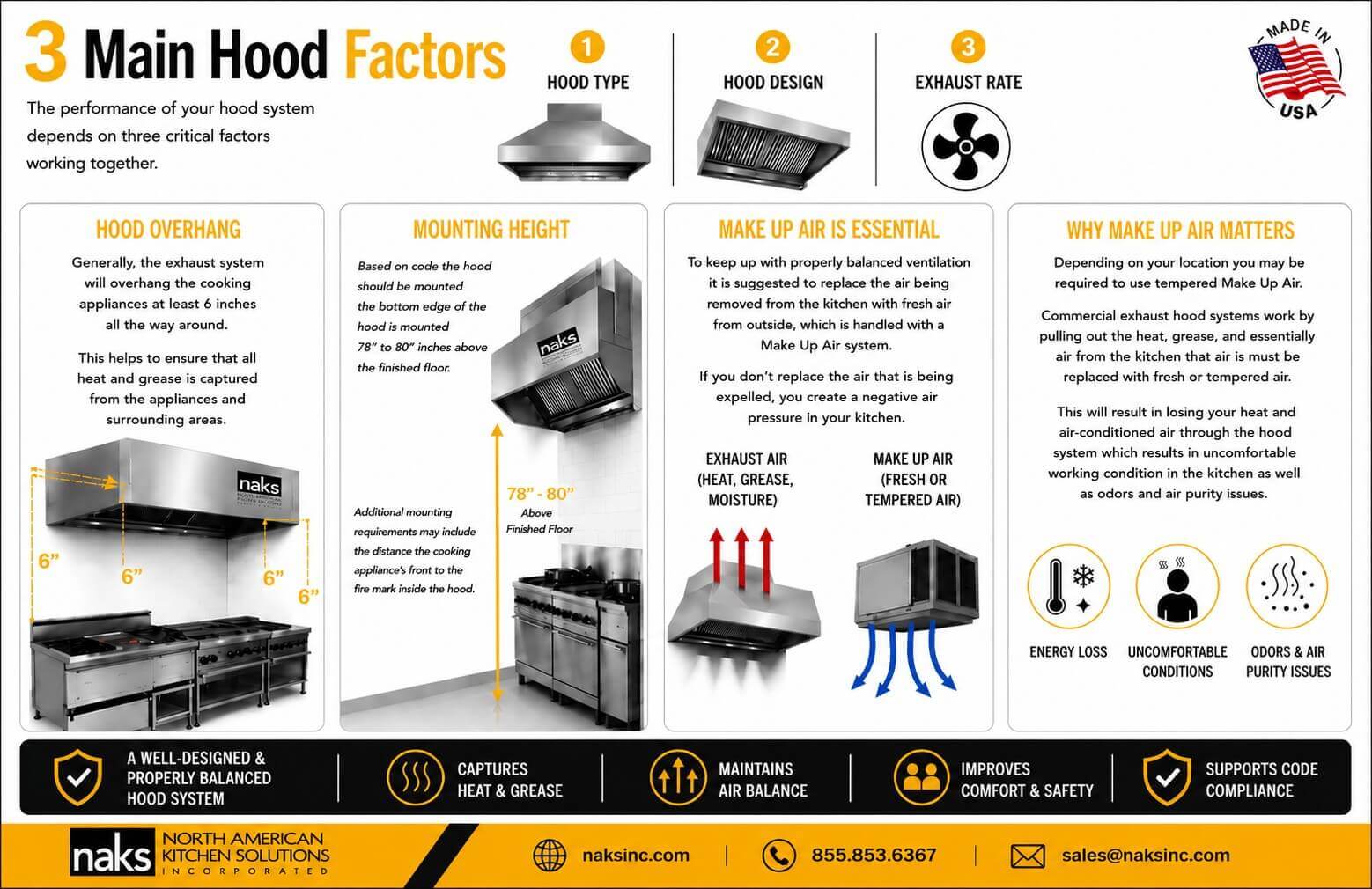
Final Thoughts
UL certification and ETL certification both serve the same essential purpose: verifying that commercial kitchen equipment has been independently tested for safety and compliance. While the certifying organizations differ, both marks are trusted, OSHA-recognized indicators of quality.
For commercial kitchens, the right certification can mean the difference between a smooth inspection and costly delays. By offering UL- and ETL-certified ventilation systems, NAKS, Inc. helps operators, contractors, and designers move forward with confidence.
If you have questions about certification requirements or need help selecting compliant commercial kitchen ventilation equipment, contact NAKS, Inc. at (855) 853-6367 and shop with confidence.