Here’s what you need to know, straight from the experts at NAKS, Inc.
In a busy commercial kitchen, your hood system does more than manage smoke and grease; it plays a critical role in safety and code compliance. Understanding commercial kitchen hood requirements can feel overwhelming, but getting it right is essential for protecting your staff, your business, and your investment. This guide breaks down what matters most, so you can confidently choose a compliant commercial hood system.
Why Commercial Hood Code Compliance Matters
Compliance isn’t optional – it’s critical.
- Protects against grease fires and hazardous conditions
- Ensures proper ventilation and air quality
- Helps avoid fines, shutdowns, or failed inspections
- Keeps your kitchen aligned with commercial range hood code requirements
These regulations exist to reduce real-world risks, not just check boxes.
What Are Commercial Kitchen Hood Requirements?
Most commercial kitchen hood requirements are based on national standards, with additional local code considerations.
Key requirements often include:
- Proper hood sizing (typically extending beyond cooking equipment)
- Adequate airflow and ventilation performance
- Fire suppression system integration
- Clearance and installation specifications
Understanding these fundamentals is the first step toward compliance.
Type 1 Hood Requirements Explained
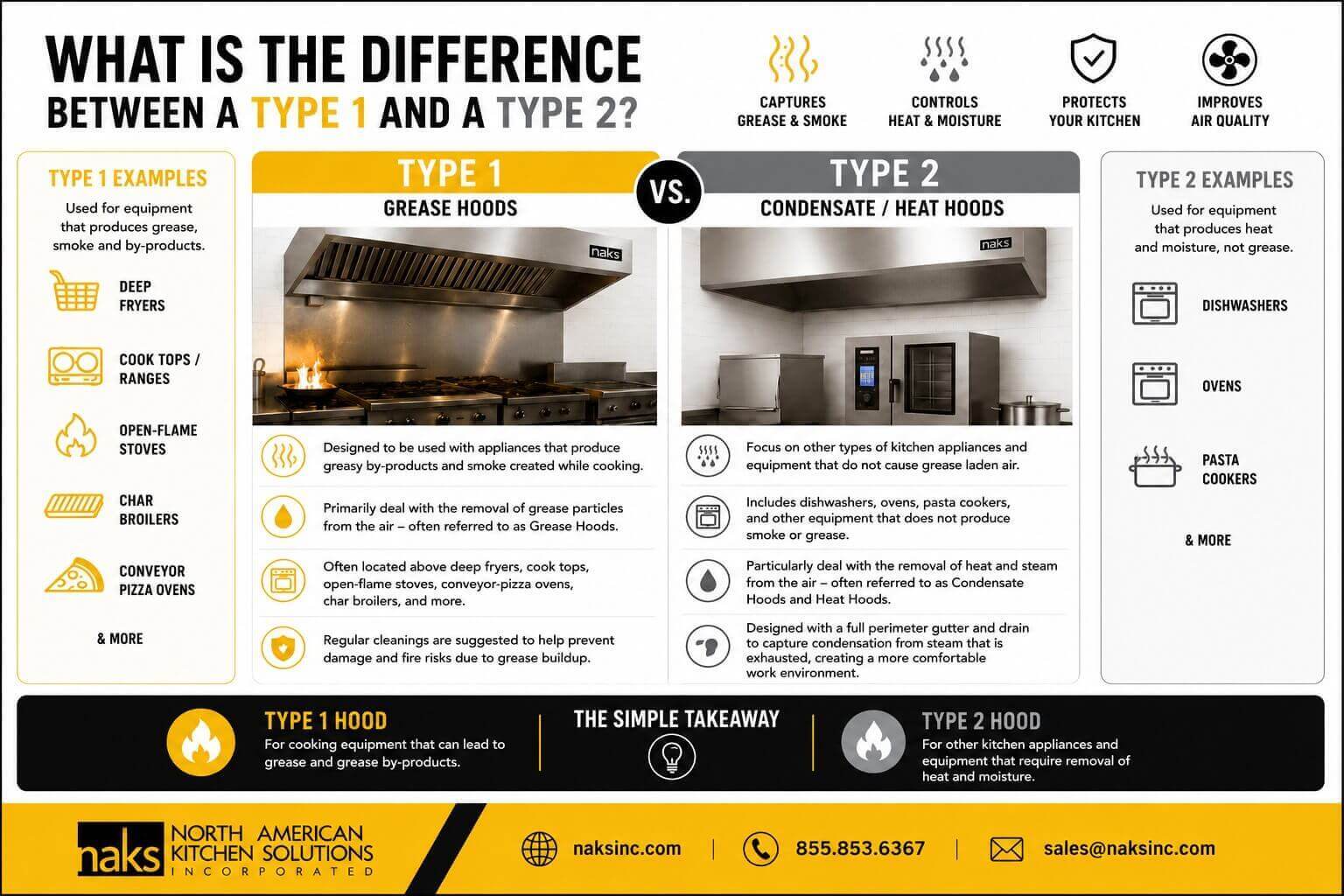
A Type 1 hood is required for cooking processes that produce grease and smoke.
When is a Type 1 Hood Required?
You’ll need a Type 1 hood for equipment like:
- Fryers
- Griddles
- Charbroilers
- Ranges and wok stations
Key Type 1 Hood Requirements:
- Must include grease filters
- Requires an integrated fire suppression system
- Designed to capture grease-laden vapors
- Must meet strict airflow and coverage standards
If your kitchen produces grease, a Type 1 vent hood is non-negotiable.
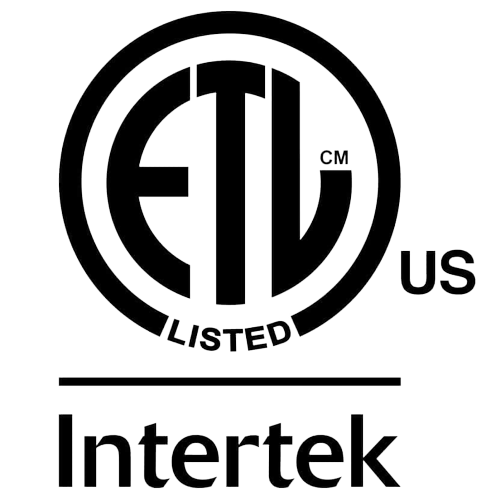
Understanding ETL Certification
ETL certification is a critical component of compliance.
- Confirms the hood meets recognized safety standards
- Verifies performance and construction quality
- Often required by inspectors and local authorities
Choosing ETL-listed equipment helps streamline approvals and inspections.
National Codes vs. Local Regulations
National Standards (NFPA 96)
The foundation for most commercial range hood code requirements is NFPA 96.
Common guidelines include:
- Hood must extend beyond cooking surfaces
- Proper airflow rates must be maintained
- Fire suppression systems must be installed and maintained
State and Local Code Variations
Local jurisdictions may add additional requirements, such as:
- Energy efficiency standards
- Ductwork insulation rules
- Fire suppression system specifications
Always verify local codes before installation.
Why Working with Experts Matters
Navigating compliance alone can lead to costly mistakes.
Working with experienced manufacturers like NAKS, Inc. helps you:
- Select the right hood system for your application
- Meet both national and local code requirements
- Avoid delays during inspection and approval
- Ensure long-term safety and performance
FAQs: Commercial Hood Code Compliance
What are the main commercial kitchen hood requirements?
A: They include proper hood sizing, adequate airflow, fire suppression systems, and compliance with NFPA 96 and local codes.
When is a Type 1 hood required?
A: A Type 1 hood is required for any cooking equipment that produces grease-laden vapors, such as fryers, grills, and ranges.
What is ETL certification, and why does it matter?
A: ETL certification confirms that a hood system meets safety and performance standards, helping ensure compliance and smoother inspections.
Do commercial hood codes vary by location?
A: Yes. While national standards provide a baseline, state and local codes may include additional requirements.
Can I install a commercial hood without professional guidance?
A: No. It’s not recommended. Professional guidance helps ensure your system meets all code requirements and avoids costly compliance issues. Find a qualified installer near you with the NAKS, Inc. installer network!
Stay Compliant with the Right Partner
Understanding commercial kitchen hood requirements, Type 1 hood regulations, and ETL certification is essential for building a safe and compliant kitchen. While the codes can be complex, the right partner makes it simple.
At NAKS, Inc., we help contractors, installers, and kitchen operators navigate compliance with confidence—delivering high-quality hood systems designed to meet code and perform reliably.
Don’t leave compliance to chance. Partner with NAKS, Inc. to get it right from day one. Get your free quote today!