Understanding NFPA 96 standards isn’t optional—it’s essential for keeping commercial kitchens safe, compliant, and operational. Whether you’re a contractor, installer, or reseller, knowing the latest NFPA 96 requirements can help you avoid costly mistakes and protect your clients. Here’s what you need to know, straight from the experts at NAKS, Inc.
What Is NFPA 96?
NFPA 96 is the industry standard for ventilation control and fire protection in commercial cooking operations. It outlines:
- Fire prevention requirements
- Exhaust hood system design and maintenance
- Cleaning schedules and inspection standards
- Fire suppression integration
Following NFPA 96 standards helps reduce fire risk, improve air quality, and ensure kitchens meet local and national codes.
NFPA 96 Hood Cleaning Requirements
One of the most important parts of NFPA 96 compliance is proper cleaning frequency. The standard defines how often commercial range hood cleaning should occur based on cooking volume:
- Monthly: Solid fuel cooking (wood, charcoal)
- Quarterly: High-volume cooking (24/7 kitchens, fast-paced restaurants)
- Semi-Annually: Moderate-volume cooking
- Annually: Low-volume cooking operations
Staying on schedule helps prevent grease buildup—a leading cause of kitchen fires—and keeps your vent hood cleaning compliant.
Key NFPA 96 Requirements for Commercial Kitchens
To meet NFPA 96 certification and code requirements, kitchens must follow strict guidelines:
- Proper installation of Type 1 hood systems for grease-producing equipment
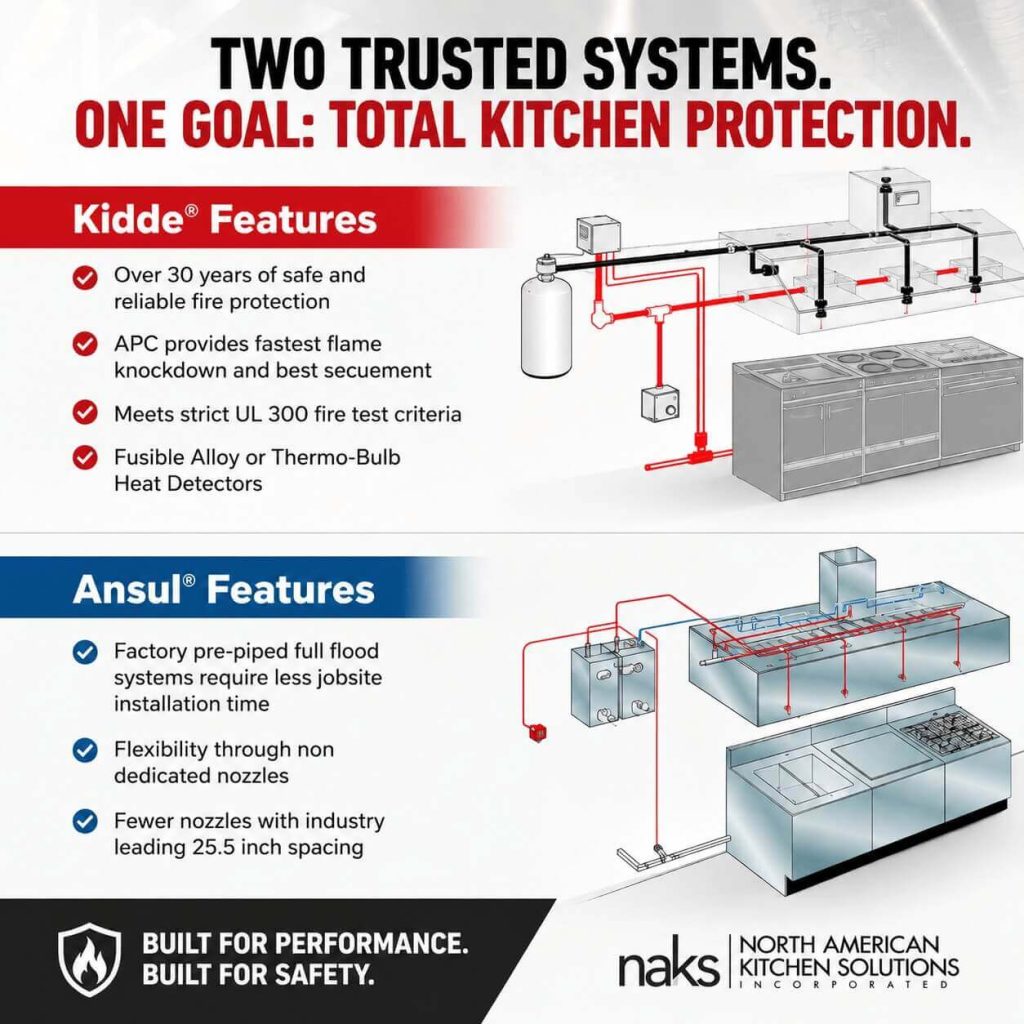
- Use of approved fire suppression systems within the hood
- Routine inspection, testing, and maintenance of all ventilation components
- Safe exhaust duct design and clearance requirements
- Documentation of cleaning and service records
Failing to meet these NFPA 96 requirements can result in fines, shutdowns, or serious safety risks.
2024 NFPA 96 Updates You Should Know
Recent updates to NFPA 96 standards reflect evolving kitchen operations and safety expectations:
- Expanded guidance for mobile and temporary cooking operations
- Alignment with updates from NFPA 58 (Liquefied Petroleum Gas Code)
- Clearer responsibilities for inspection, testing, and maintenance
- Updated labeling and documentation requirements
Staying current with these updates ensures your projects remain compliant and future-ready.
Rooftop Grease Containment Systems
NFPA 96 also addresses grease management beyond the kitchen:
- Rooftop grease containment systems help prevent environmental contamination
- They protect roofing systems from grease damage
- Many jurisdictions now require them as part of compliance
Adding proper containment supports both safety and long-term building maintenance.
Why NFPA 96 Compliance Matters
Meeting NFPA 96 requirements isn’t just about passing inspections—it’s about protecting people and businesses.
- Fire safety: Reduces risk of grease fires
- Legal compliance: Avoid fines and shutdowns
- System performance: Keeps ventilation running efficiently
- Client trust: Positions you as a knowledgeable, reliable partner
For contractors and installers, understanding NFPA 96 certification standards is a major competitive advantage.
Partner with NAKS for Code-Compliant Solutions
Navigating NFPA 96 standards can feel complex—but you don’t have to do it alone. NAKS, Inc. provides high-quality, code-compliant commercial hood systems and ventilation solutions built to meet today’s strict safety requirements.
From design to installation support, our team helps you stay compliant, efficient, and ahead of evolving codes. Ready to upgrade your system or start a new project? Contact NAKS today to get expert guidance and the right solution for your kitchen.
FAQs: NFPA 96 & Commercial Kitchen Compliance
Q: What is NFPA 96 certification?
A: NFPA 96 certification refers to meeting the standards set by NFPA 96 for ventilation, fire protection, and maintenance in commercial kitchens.
Q: How often does a commercial hood need cleaning under NFPA 96?
A: It depends on cooking volume—ranging from monthly (high grease or solid fuel cooking) to annually (low-volume kitchens).
Q: What are the key NFPA 96 requirements?
A: They include proper hood installation, fire suppression systems, routine cleaning, ductwork safety, and documented maintenance.
Q: Do all commercial kitchens need to follow NFPA 96?
A: Yes. Most local fire and health codes adopt NFPA 96 as the standard for commercial kitchen ventilation and fire safety.
Q: What happens if a kitchen is not NFPA 96 compliant?
A: Non-compliance can lead to fines, failed inspections, increased fire risk, and even temporary shutdowns.