Author: vanessa

Navigating Codes: Ensuring Compliance in Commercial Hood Selection
Here’s what you need to know, straight from the experts at NAKS, Inc. In a busy commercial kitchen, your hood system does more than manage smoke and grease; it plays a critical role in safety and code compliance. Understanding commercial kitchen hood requirements can feel overwhelming, but getting it right is essential for protecting your…


What Size Exhaust Fan Does Your Kitchen Need?
Choosing the right exhaust fan size isn’t just a technical detail—it directly impacts your kitchen’s safety, efficiency, and code compliance. Whether you’re installing a new system or upgrading an existing one, understanding CFM, hood size, and cooking requirements is key to selecting the right solution. This guide from the team at NAKS, Inc., breaks it…
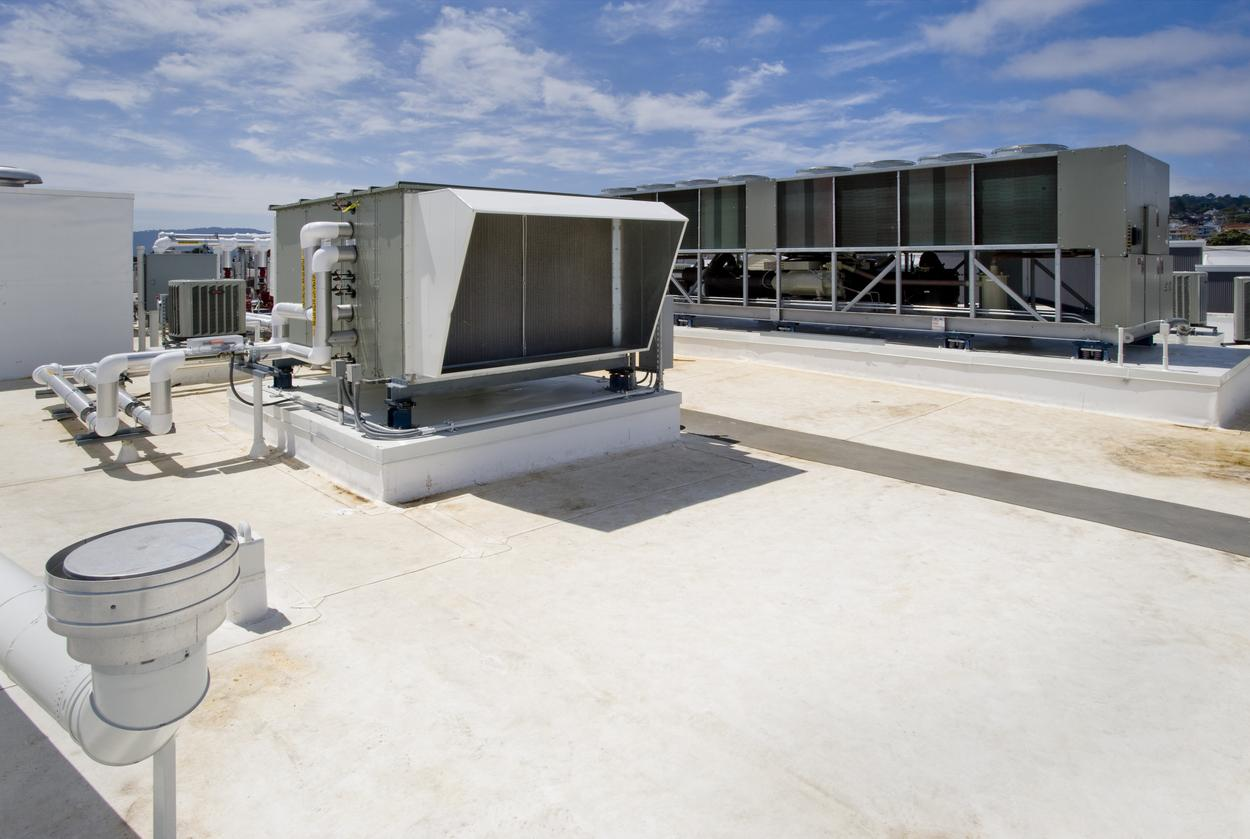

The Benefits of Tempered or Heated Makeup Air Units
The Benefits of Tempered or Heated Makeup Air Units Proper airflow is critical in any commercial kitchen—but it’s often overlooked until problems start. From cold drafts to doors that won’t close properly, poor air balance can disrupt your entire operation. Here’s what you need to know, straight from the experts at NAKS, Inc., about makeup…
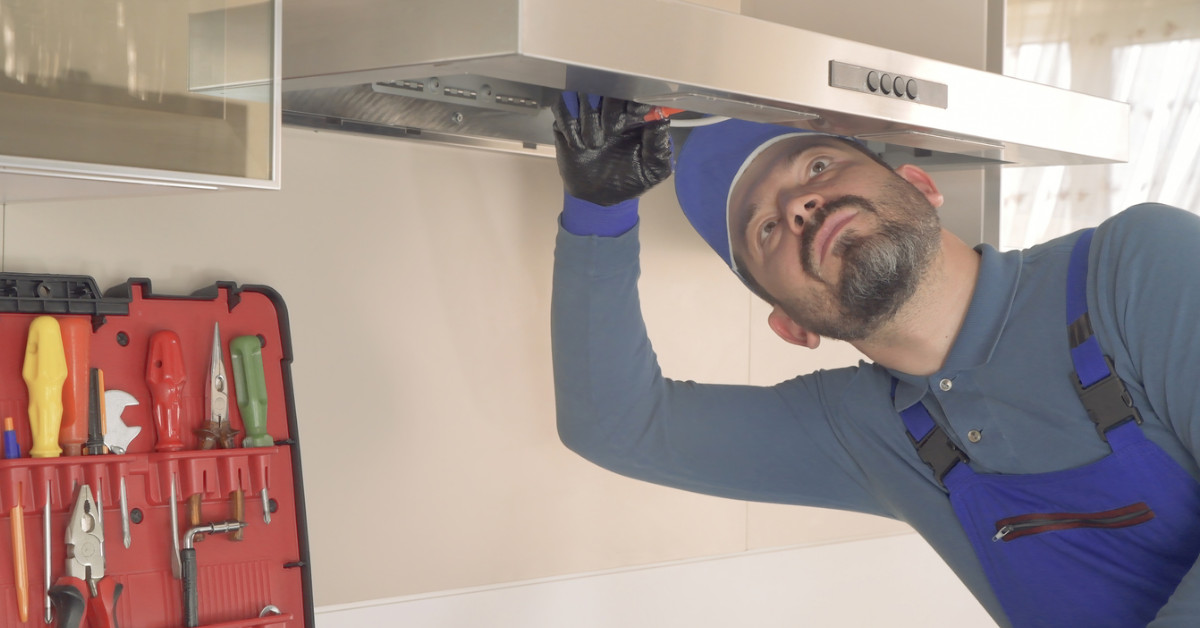

Commercial Hood Cleaning Cost: What to Expect for Your Kitchen
Keeping your kitchen safe and compliant starts with proper ventilation maintenance—but how much should you expect to pay? From commercial range hood cleaning to full vent hood cleaning services, understanding cost factors can help you plan ahead and avoid unexpected expenses. Here’s what you need to know, straight from the experts at NAKS, Inc. What…
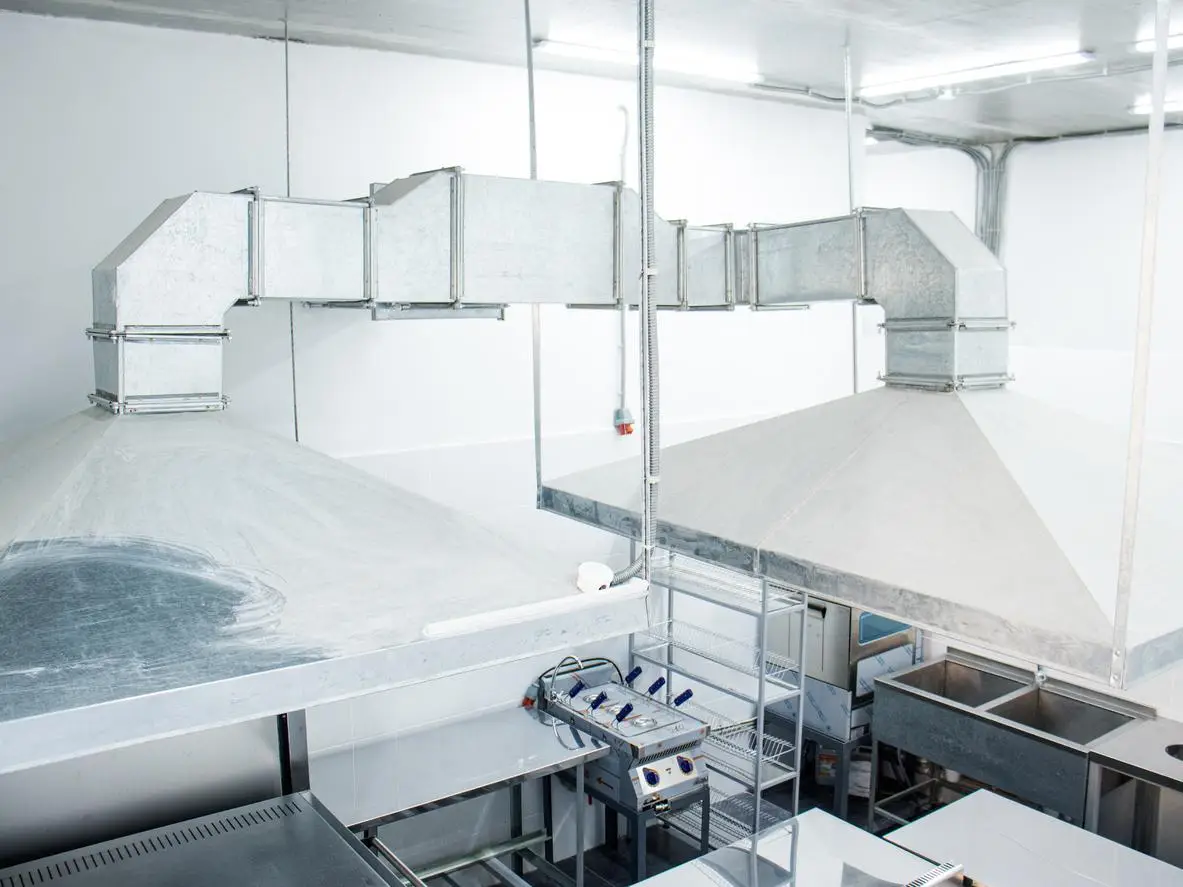

Welded vs. No-Weld Grease Ductwork: What Installers Prefer and Why
Choosing the right commercial kitchen hood ductwork is critical for safety, efficiency, and installation success. One of the most important decisions installers face is whether to use welded grease ductwork or modern no-weld kitchen ventilation ductwork. Both options meet code requirements when properly installed, but they differ significantly in installation time, labor cost, flexibility, and…

UL Certification vs ETL Certification: What’s the Difference?
What “UL Certified” Really Means—and How ETL Certification Compares When purchasing commercial kitchen equipment, safety certifications aren’t just a “nice to have”—they’re often required for inspections, insurance approval, and code compliance. Two of the most common marks you’ll see are UL certification and ETL certification. While they’re sometimes treated as interchangeable, many operators, contractors, and…


Food Truck Ventilation Hood Installation Guide
Food Truck Ventilation Hood Installation Guide: How to Install a Safe and Compliant Hood System Installing a proper food truck ventilation hood is one of the most important steps when building or upgrading a mobile kitchen. A well-designed food truck hood system removes heat, smoke, and grease-laden vapors, protecting staff, customers, and equipment. Without proper…


Ventless Kitchen Hood Filtration Explained
How Ventless Hoods Work: Understanding Ventless Kitchen Hood Filtration Technology A ventless hood provides commercial kitchen ventilation without requiring traditional ductwork or roof-mounted exhaust systems. Instead of venting air outside, a ventless kitchen hood uses advanced filtration technology to clean and recirculate air safely back into the room. This makes ventless hoods an ideal solution…

Pizza Oven Hood Packages: Complete Pizza Oven Exhaust Hood and Ventilation Solutions
Creating the perfect pizza requires more than quality ingredients; it also requires proper ventilation. A properly designed pizza oven hood removes heat, grease-laden vapors, and smoke generated during cooking, ensuring a safe, efficient commercial kitchen environment. Whether you operate a high-volume pizzeria or install commercial kitchen ventilation systems, selecting the right pizza oven exhaust hood,…
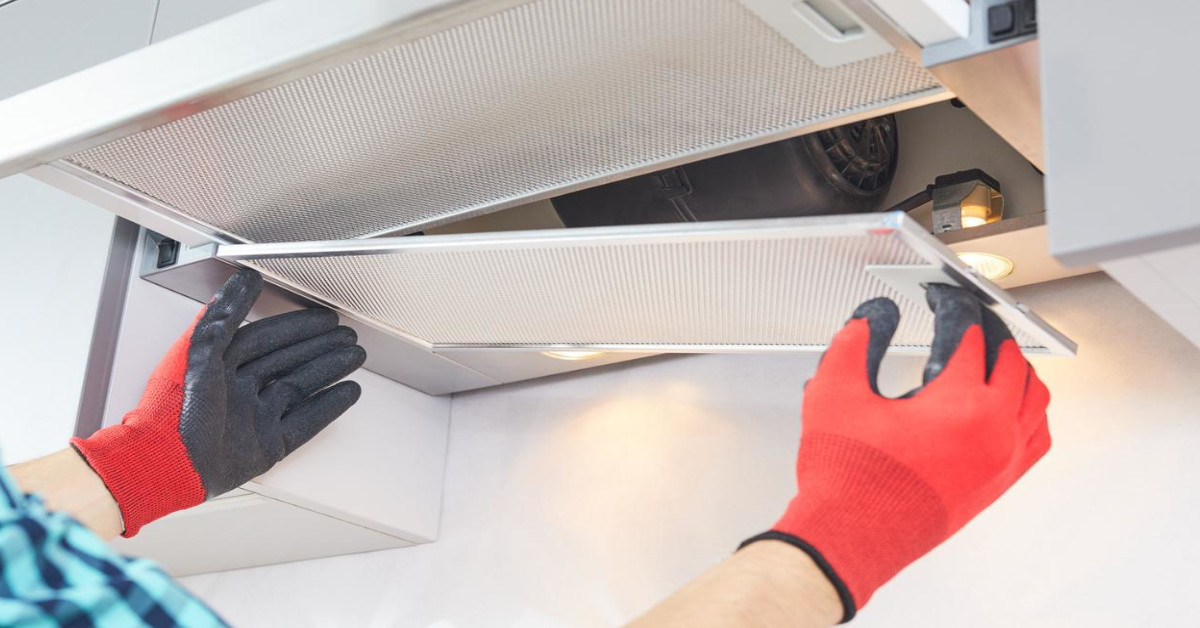
Exhaust Hood Not Working? Here’s What To Do Next
When a commercial kitchen exhaust system stops working, the impact is immediate. Heat builds up, smoke lingers, and safety risks increase fast. Whether you’re dealing with a restaurant exhaust hood not working during service or discovering the issue during prep, knowing where to start can save time and prevent unnecessary downtime. This guide from NAKS,…